Building towards systemic wellbeing
A psychologist with a multidisciplinary practice who integrates systems thinking, knowledge design, and narrative to reposition wellbeing as a principle shaping how systems are designed, lived, and evaluated.
Featured Work

Portraits of Our Future Collection
We often speak about systems through data and technical language that reduce people to indicators and categories. Abstraction creates distance, forming a moral buffer between our decisions and the lives they affect. In that distance, we forget what systems actually are: patterns of relationships. To transform systems is to therefore transform how we recognise, respond to, and take responsibility for one another.
This collection gently returns the human to the centre of the conversation. It reminds us of the people behind the metrics and policies and nudges the human within each of us to engage intellectually, emotionally, and spiritually with the futures we are shaping together.
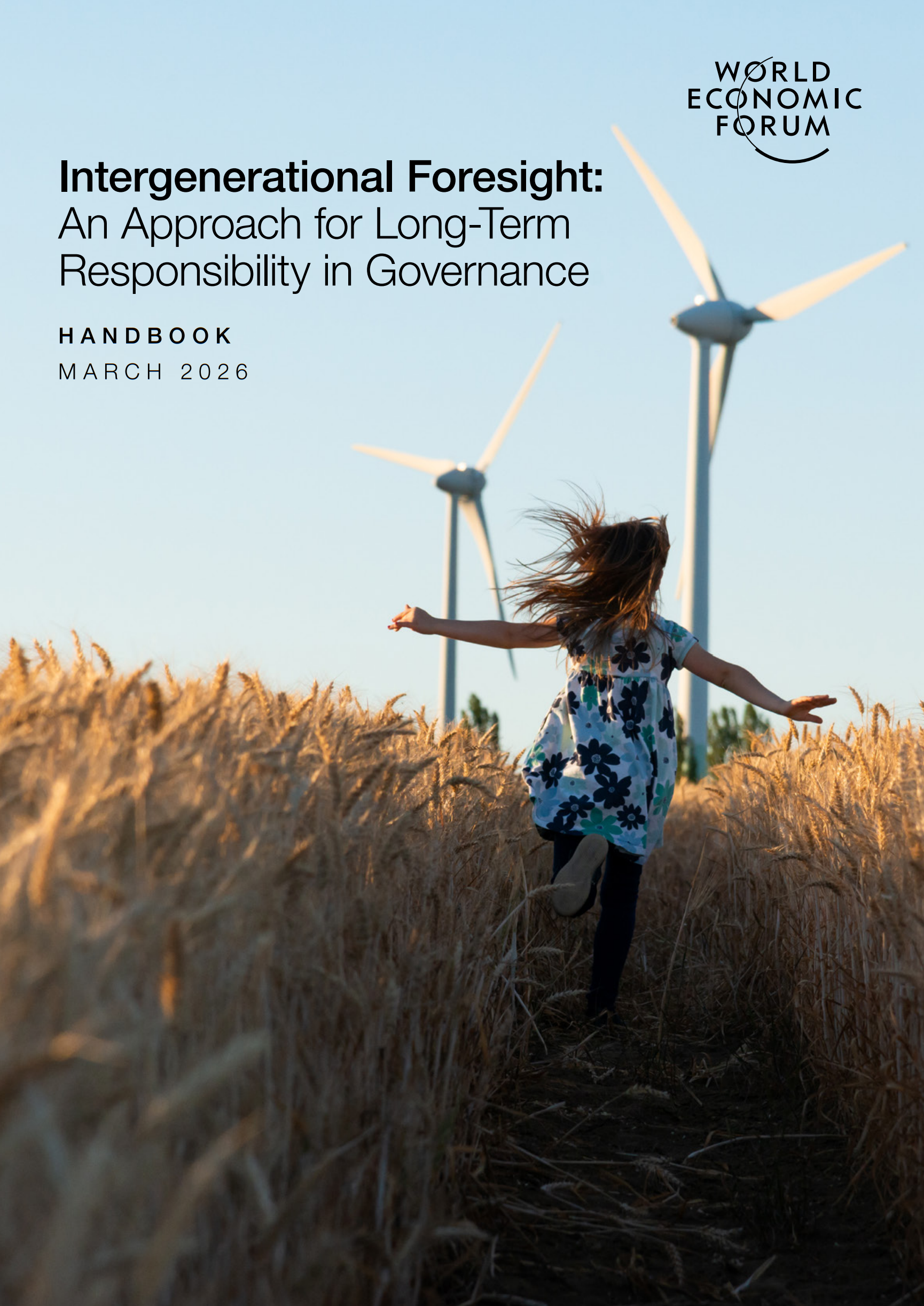
Intergenerational Foresight Handbook
We tend to treat the future as something distant, an abstract horizon to anticipate or prepare for. But the future is more tangible than we assume; it is continuously shaped through the decisions we legitimise, the voices we centre, and the timeframes we choose to care about.
What becomes visible through this work is how often those decisions are made within narrow windows, detached from the lives they will go on to shape. Intergenerational foresight is, at its core, an attempt to widen that window. To bring more people into the process before decisions are set, to reconnect authority with long-term consequence, and to ask, more deliberately, what it means to act in ways that extend care across generations.
Where Structure Meets Emergence
I aim to create space to question assumptions, to surface what is often left implicit, and to engage with challenges in ways that are both rigorous and responsive to context.
I work through conversations that hold complexity without rushing resolution, programmes that invite both reflection and application, and narratives that make systems more visible and more human.
Moving between structure and emergence, analysis and intuition, I adapt to what is needed while staying anchored in a clear sense of direction.
My approach is less about applying a fixed method and more about entering a process that responds to context.
It creates space for complexity to be named, for assumptions to be examined, and for new ways of thinking and relating to take shape.
Let’s begin the conversation.
Not sure where to start? We’re here to help.